unLock3- Preserving HAKKA food Exhibition
《客倉》浪漫台三線藝術季 Romantic Route 3|飲食實驗計畫
《客倉》浪漫台三線藝術季 Romantic Route 3|飲食實驗計畫
Client | Hakka Affairs Council
Scope | Curatorial framing, exhibition design, spatial narrative
Can food culture become a starting point for understanding place, people, and identity?


Preservation is everywhere in Hakka culture — in the salted vegetables, the fermented grains, the seeds passed between generations. Yet it is so embedded in daily life that it has become invisible: practiced but not seen, carried but not understood.
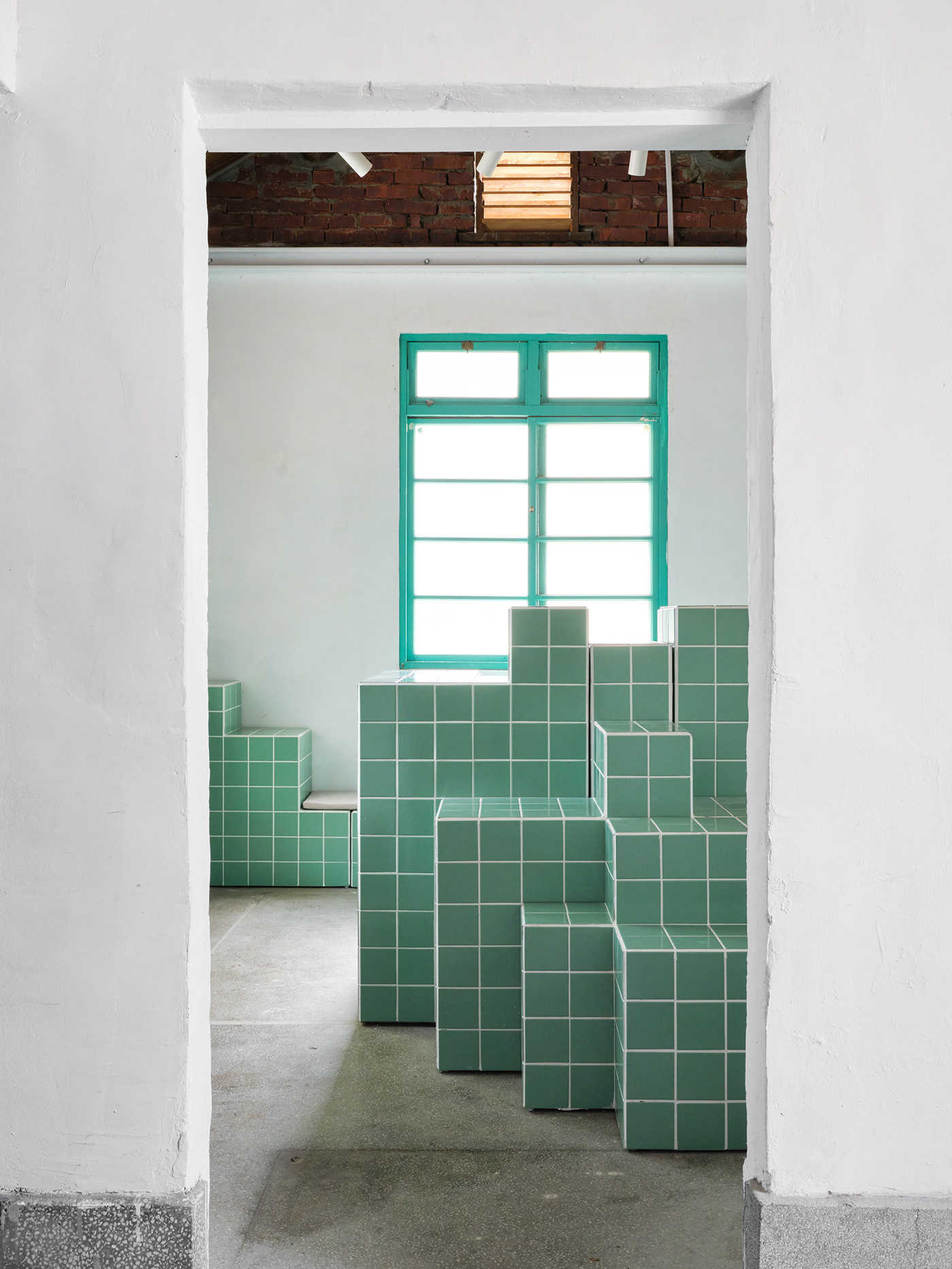
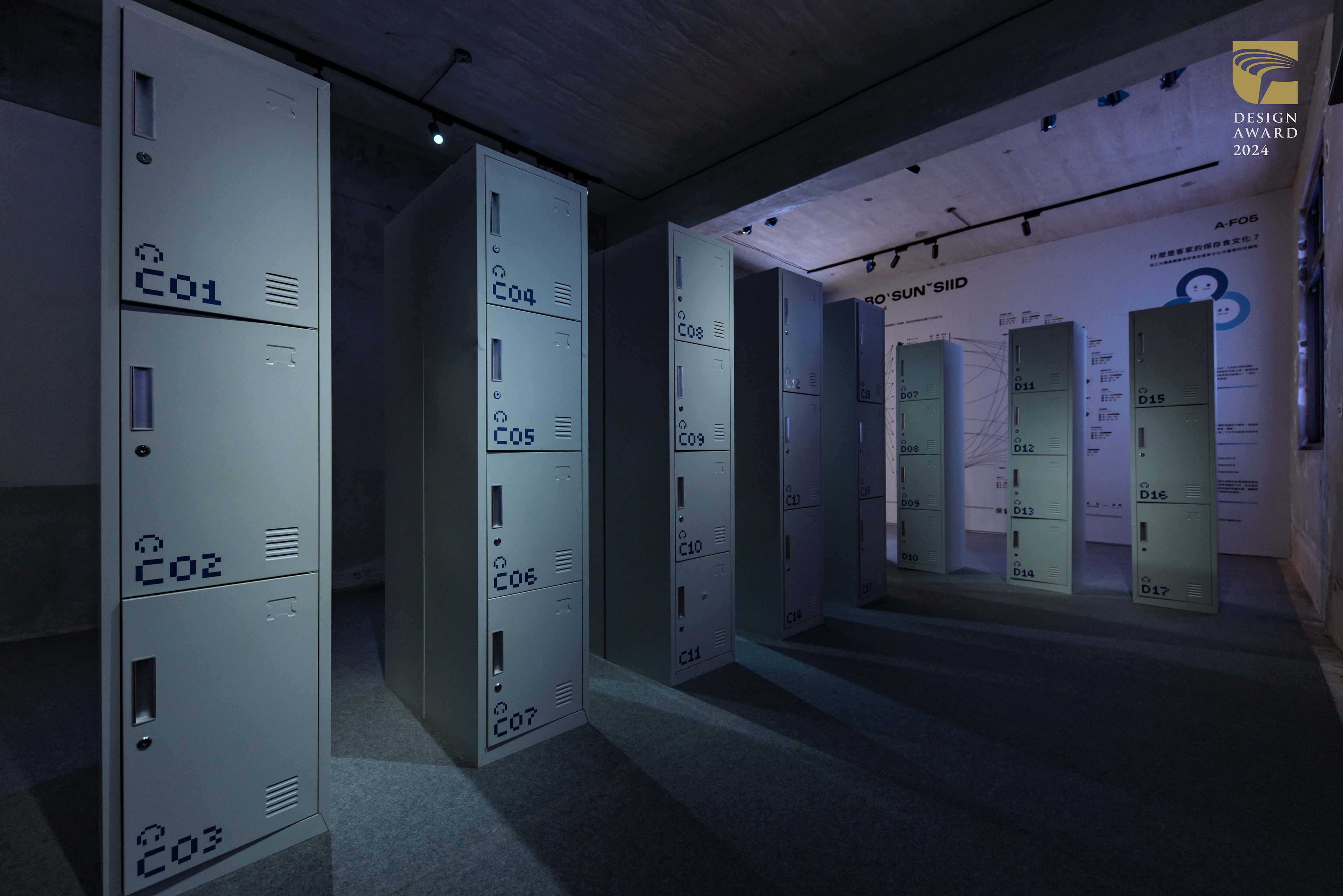
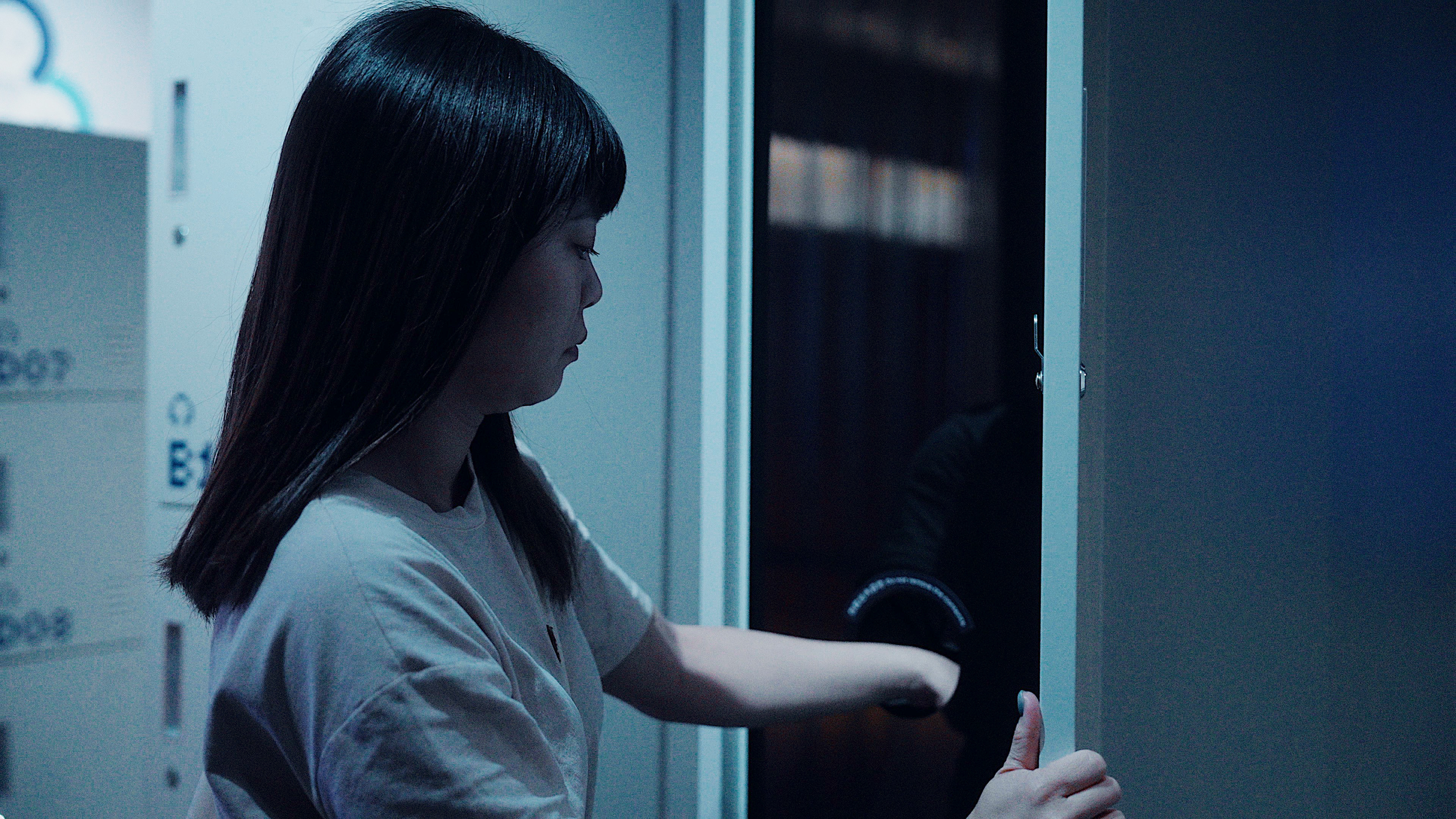
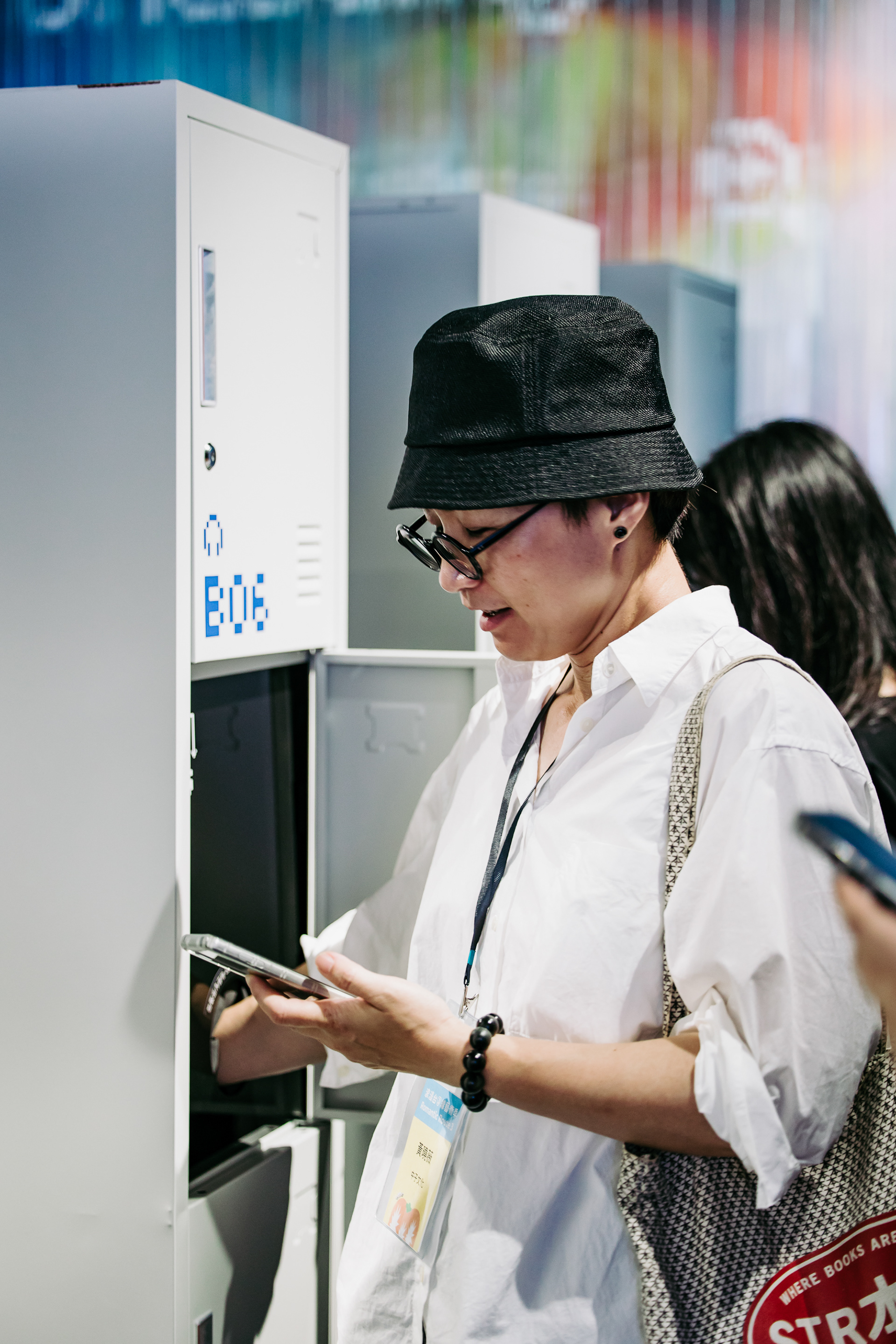
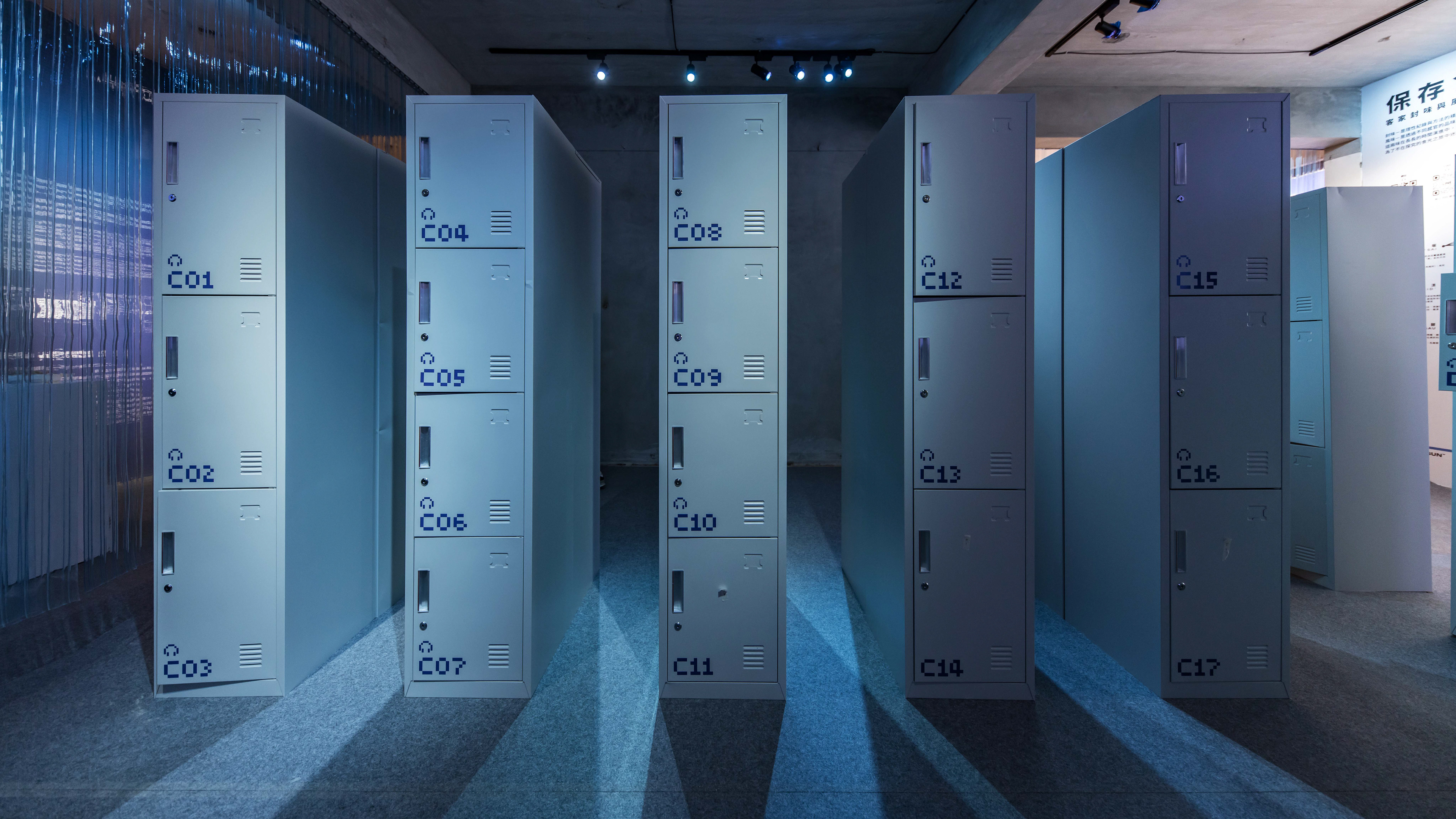
unLock 3 gave this invisible knowledge a spatial form. Seeds, preserved foods, tools, sound, and local stories were translated into a cabinet-based environment — one that visitors could open, listen to, observe, and take home. Preservation was no longer a domestic technique in the background of life. It became something you could encounter, hold, and remember.
What had always been there — in kitchens, in fields, in memory — became a public experience for the first time.
Visual Concept
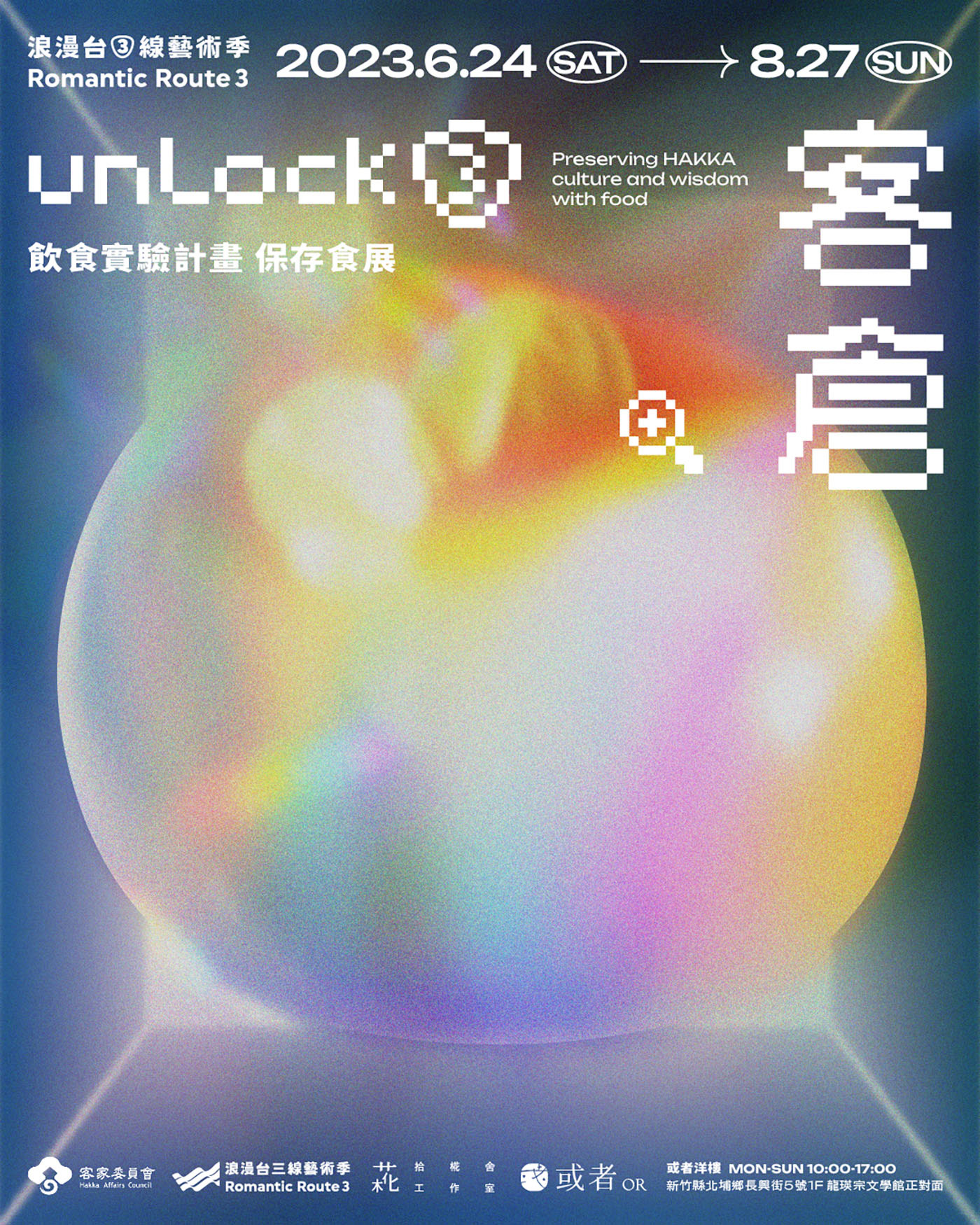
The key visual centres on Hakka preserved foods placed בתוך a locker-like storage space, evoking an image of wisdom being sealed and archived. The imagery uses reflective silver foil paper with a subtle mirrored surface to echo the objects, expressing the relationship between the viewer and the viewed.
The visual moves from seeming out of focus to becoming clear, from blurred to defined, mirroring the process of understanding that unfolds when the metal cabinet is opened. A grid-like spatial structure is also used to construct the logotype, reinforcing the visual language of storage, order, and revelation.


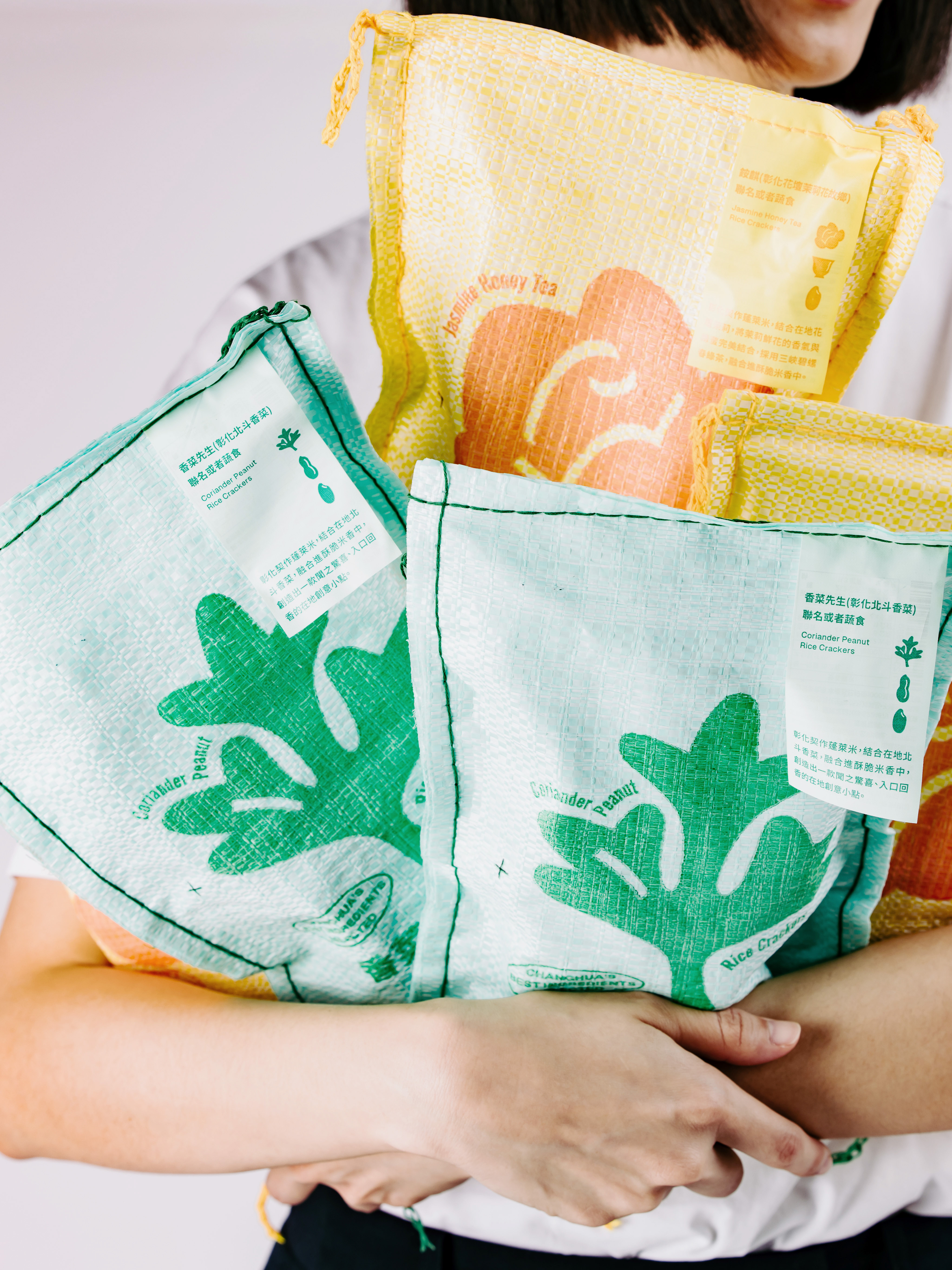
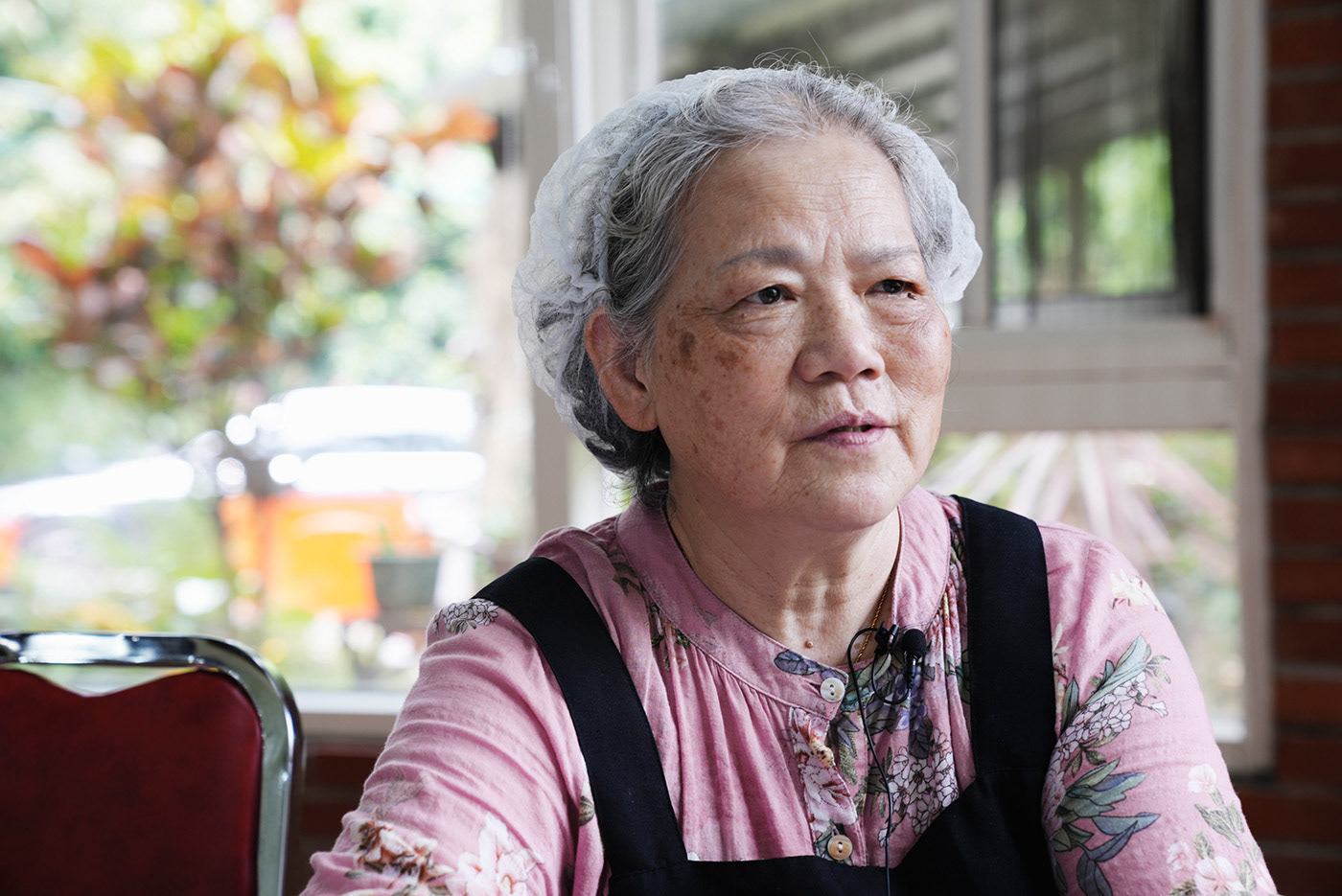
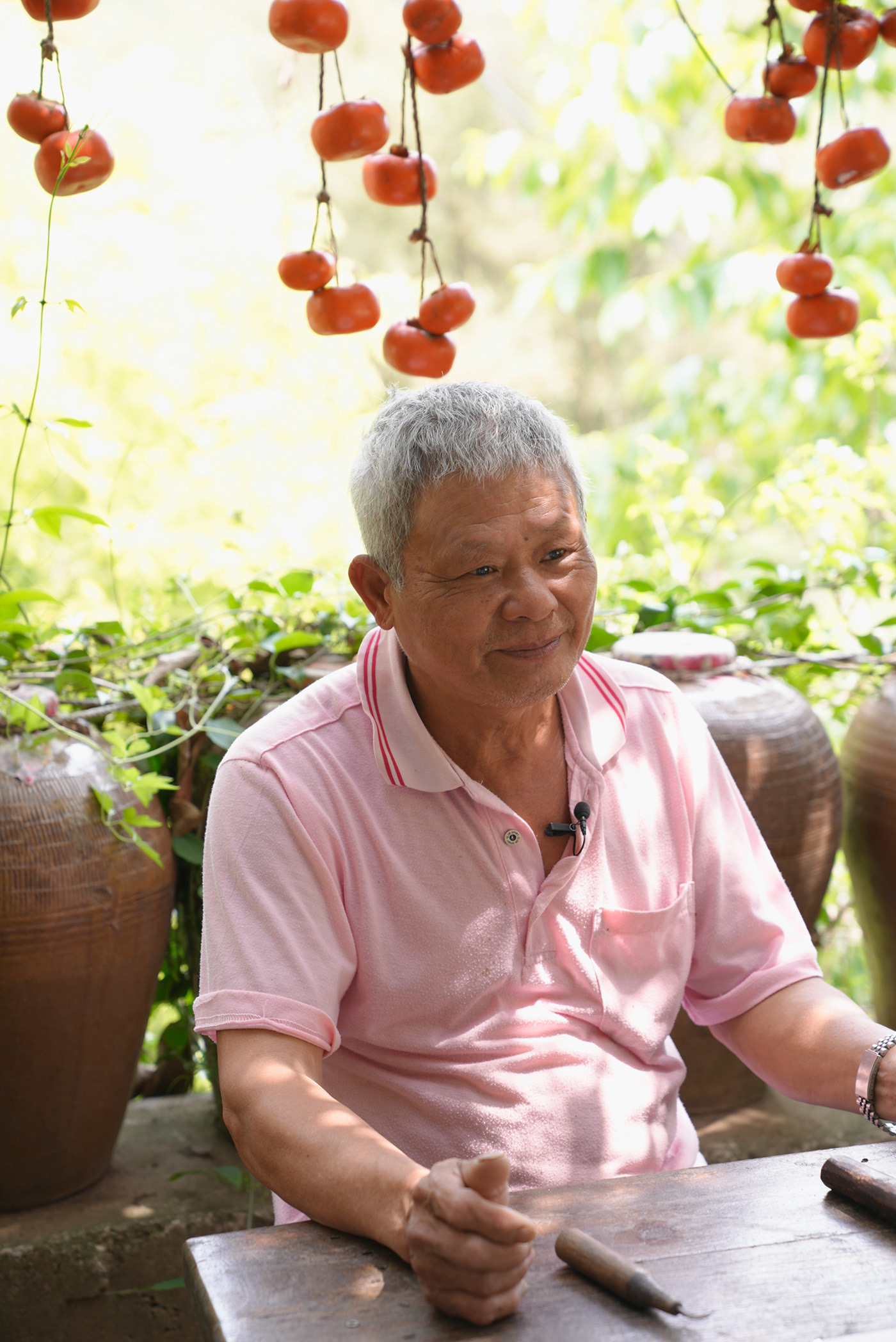
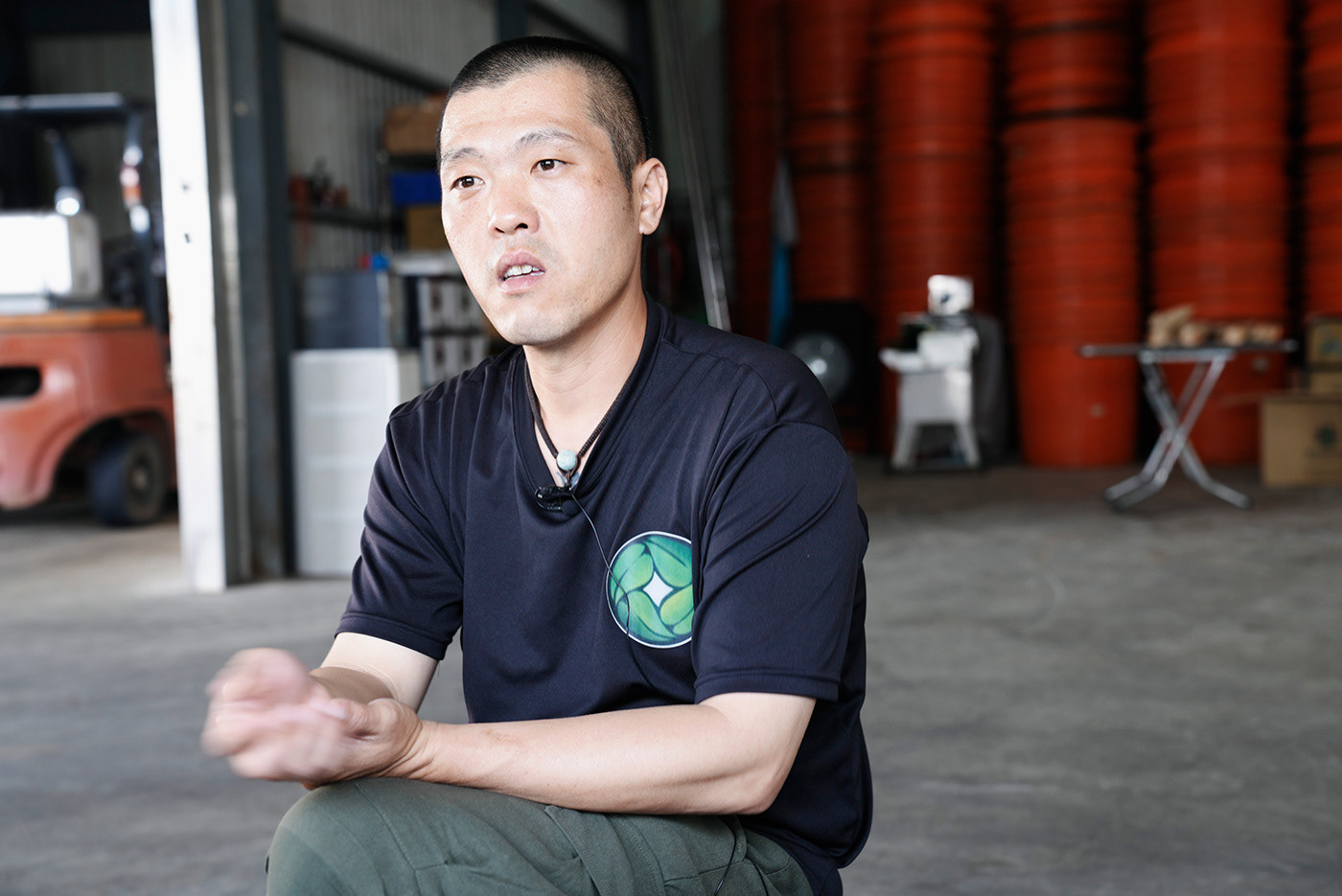
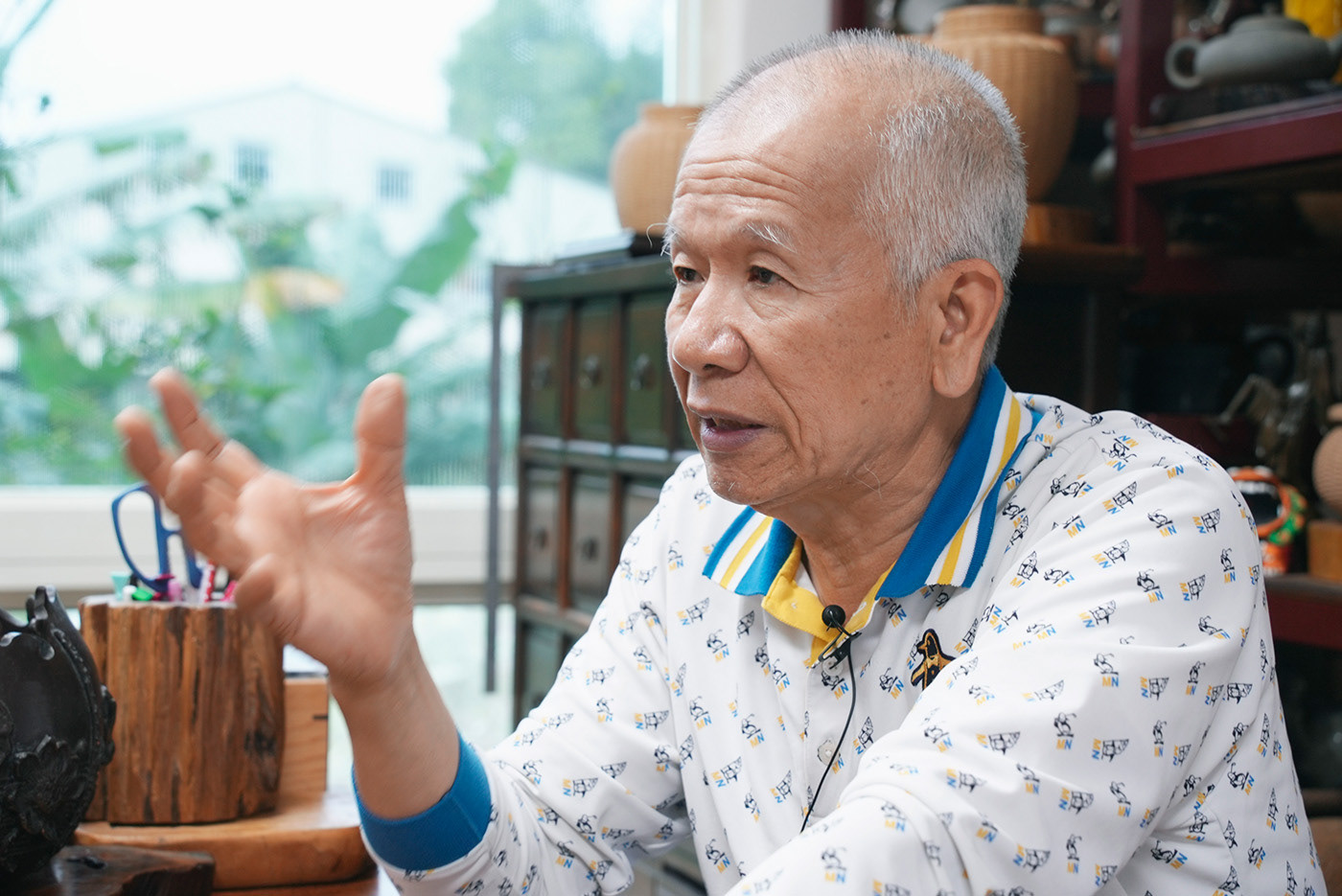
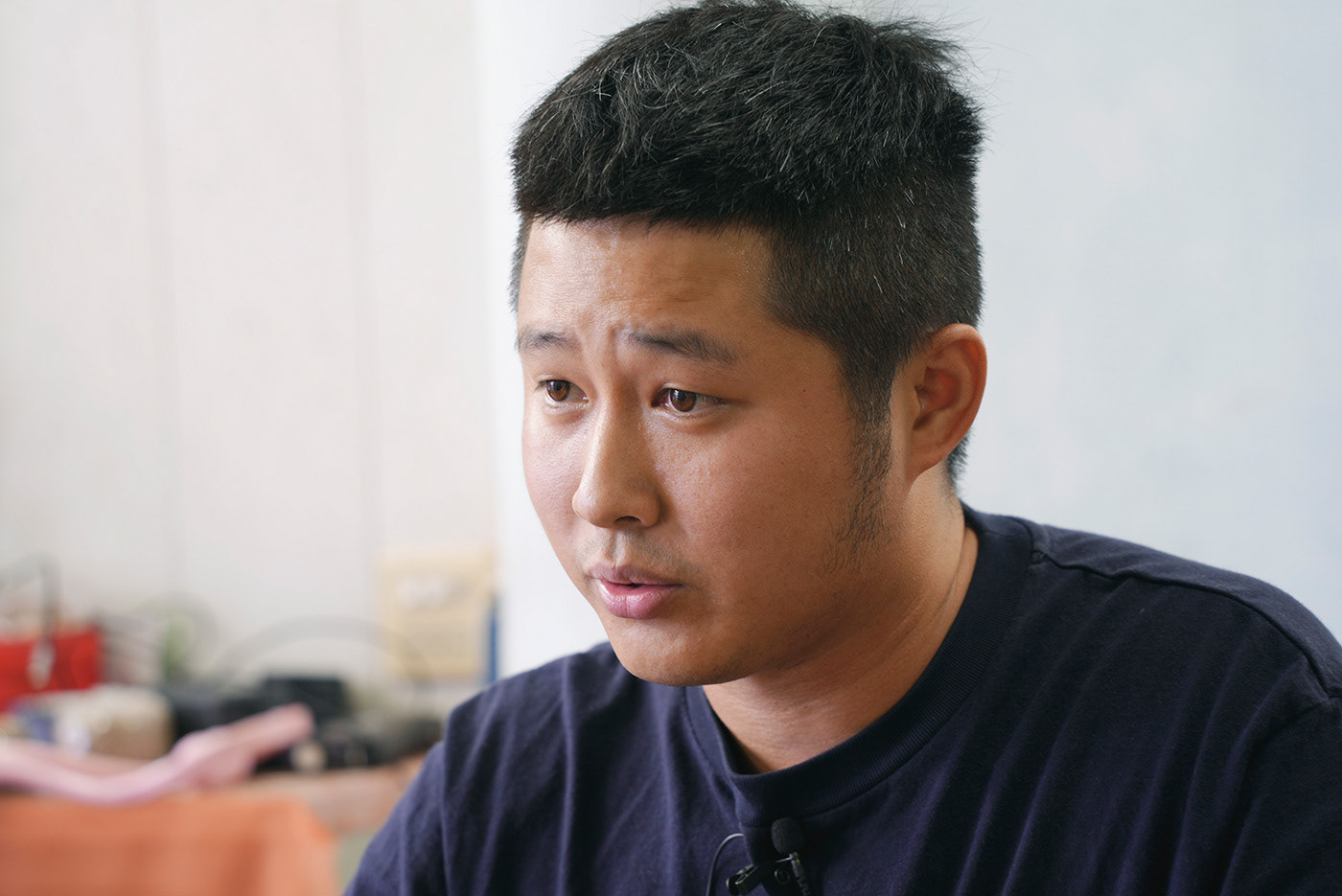
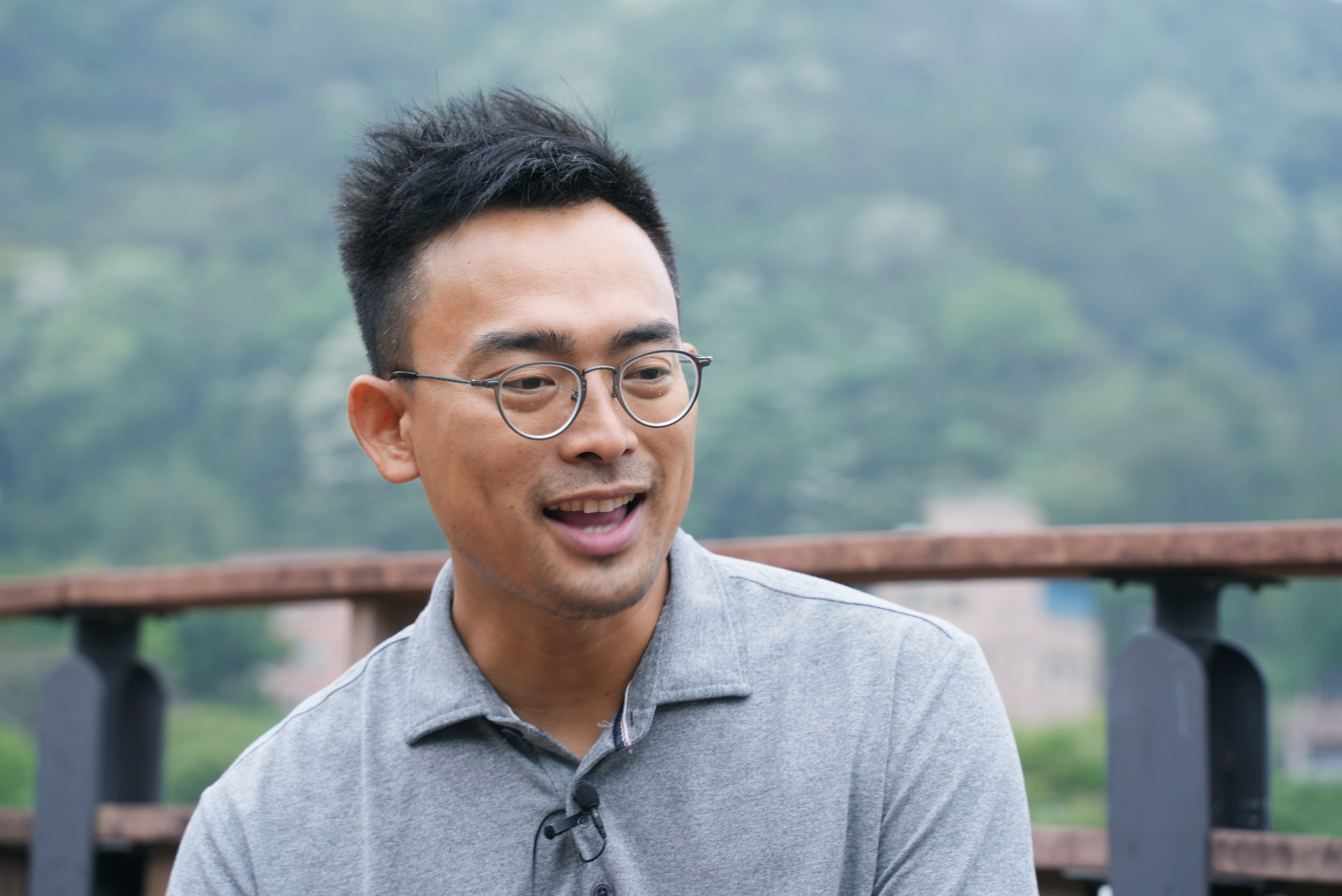
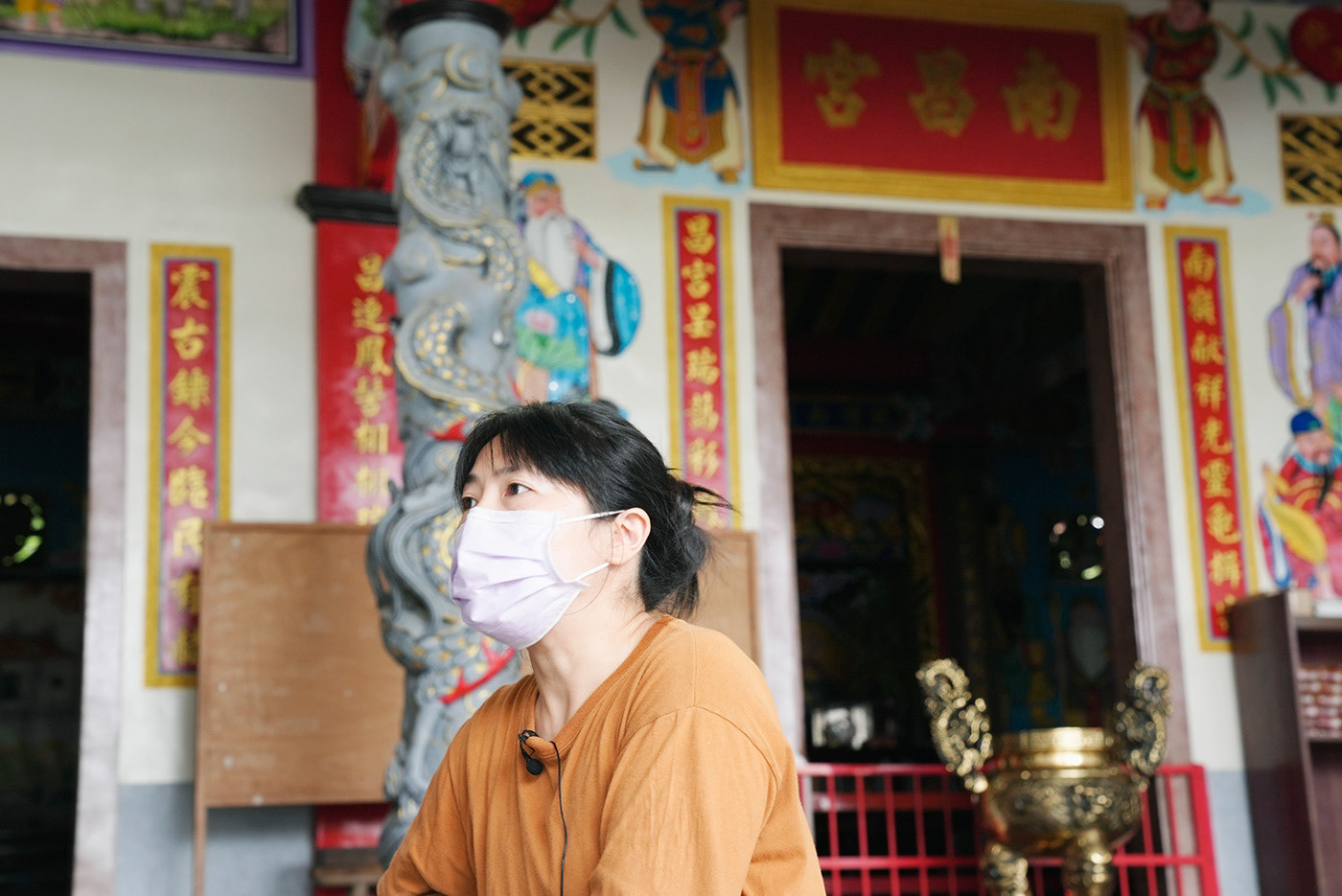
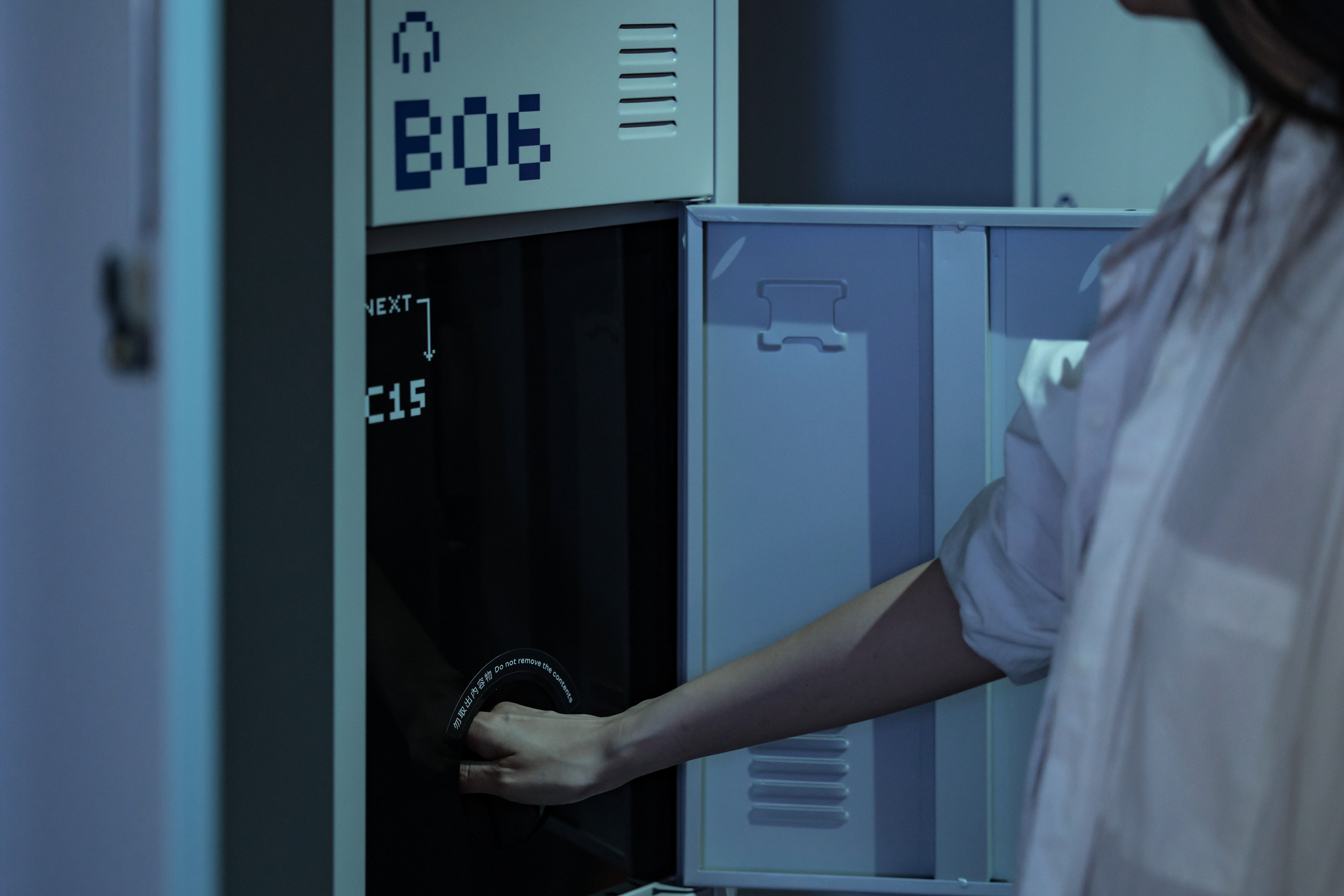
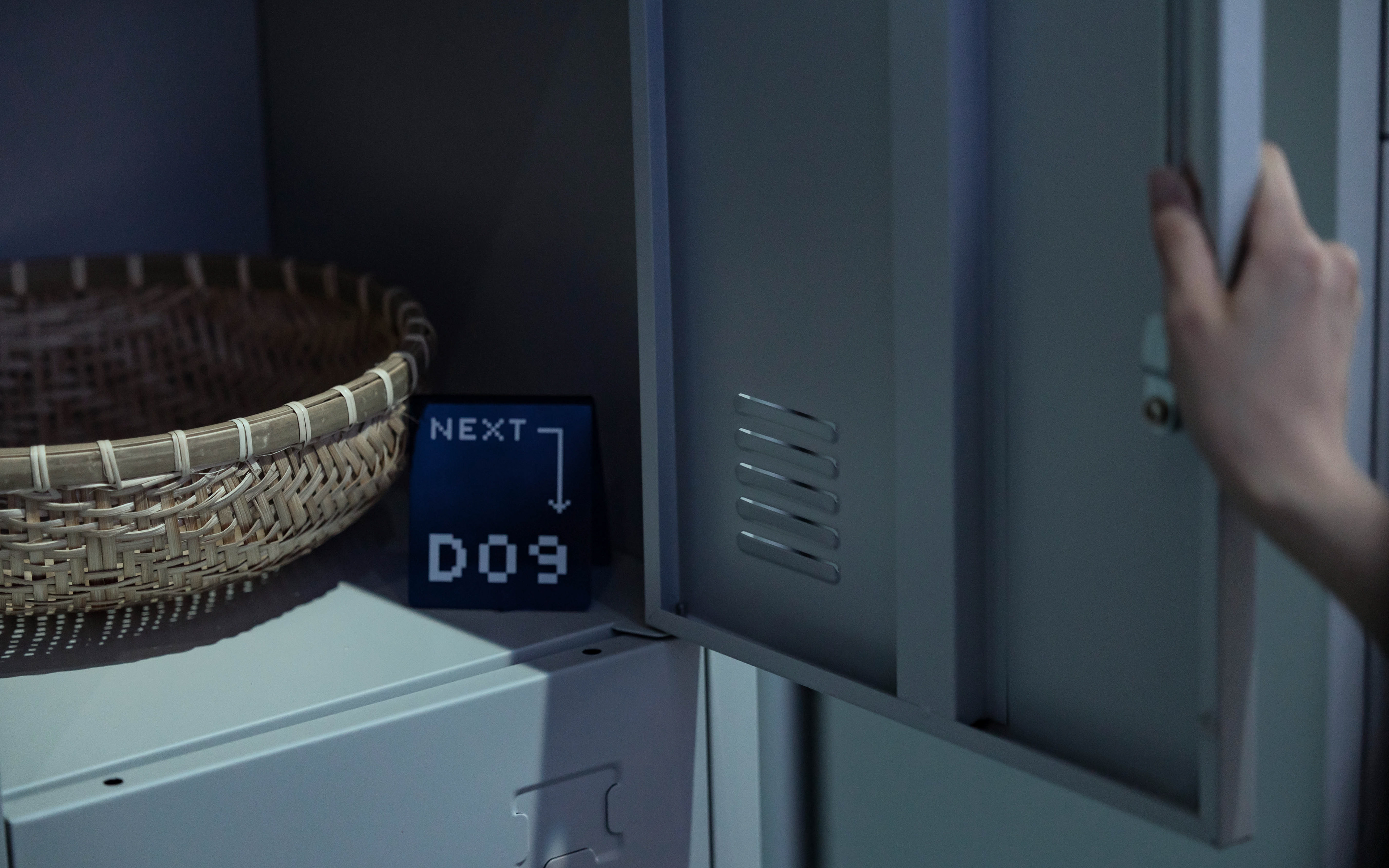
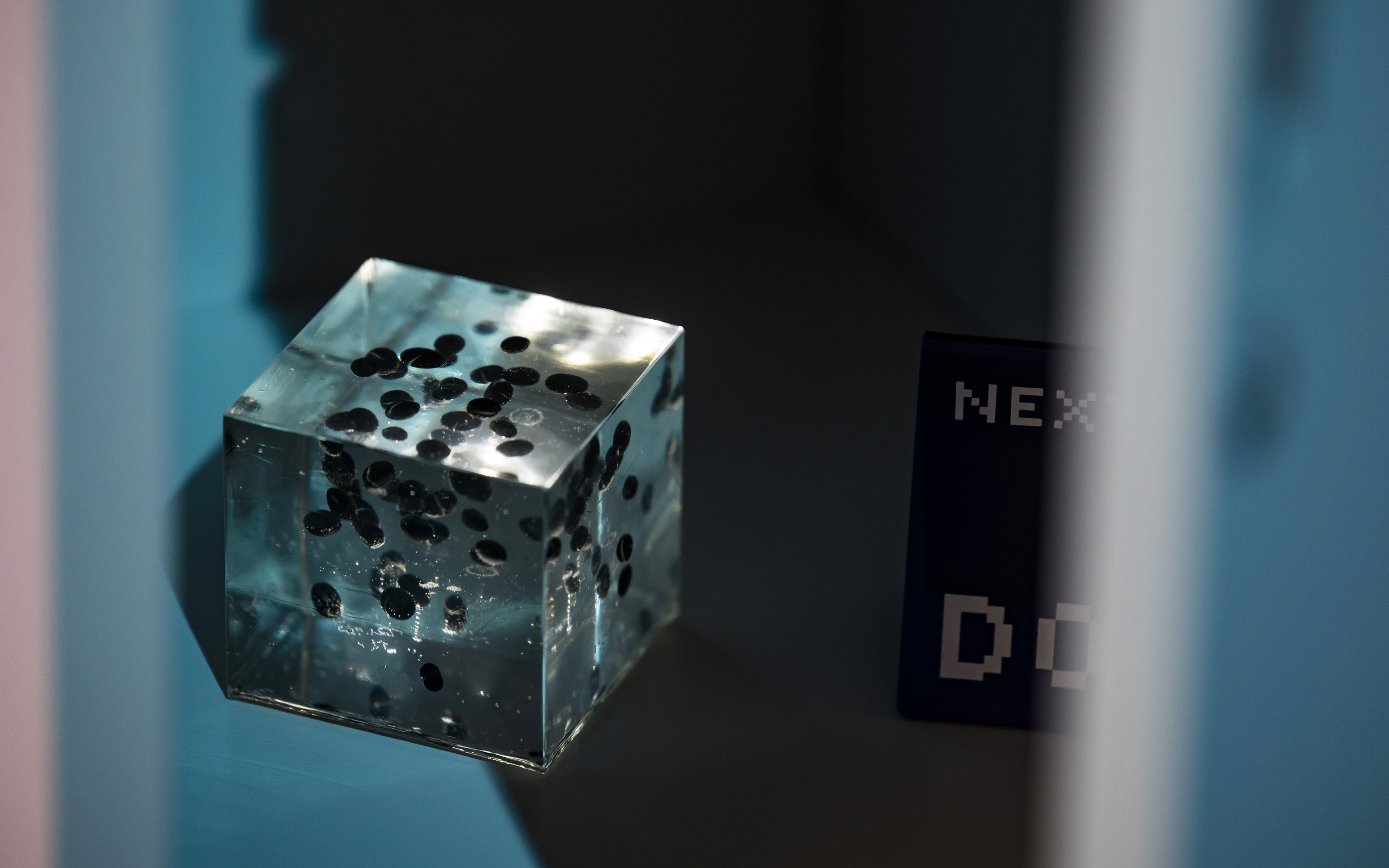
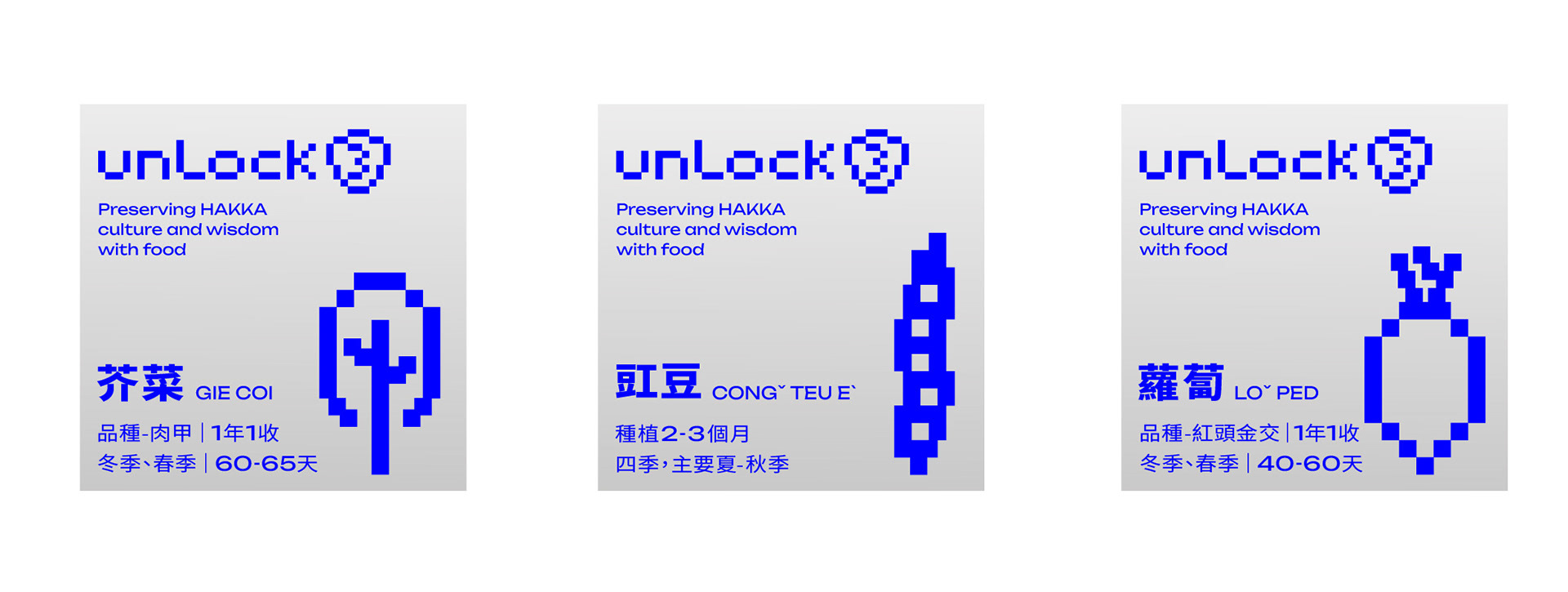
By purchasing indigenous Taiwanese seeds (Brassica juncea, red-headed Golden King radish, cowpea) that are no longer cultivated due to their lack of commercial value from seed stores, we attempted to revive them. These seeds were distributed to farmers and elementary school students for cultivation. The radishes grown by the students were made into pickles and used in dishes at collaborating restaurants. Additionally, the exhibition invited local farmers and preserved food manufacturers to be part of the exhibition team, allowing their voices to be preserved in each locker, where they personally narrate the production process. Through this method, visitors can see and hear the origins of preserved food production, connecting each industry stakeholder. Finally, the lockers guide visitors to take home indigenous seeds, nstilling a sense of responsibility for seed preservation.



A|Display of Iconic Hakka Cuisine
B|Touch the "Mystery Box" of Preserved Foods
C|Tools for Preserved Food Production
D|Seed Preservation and Grafting of Fruit Seedlings
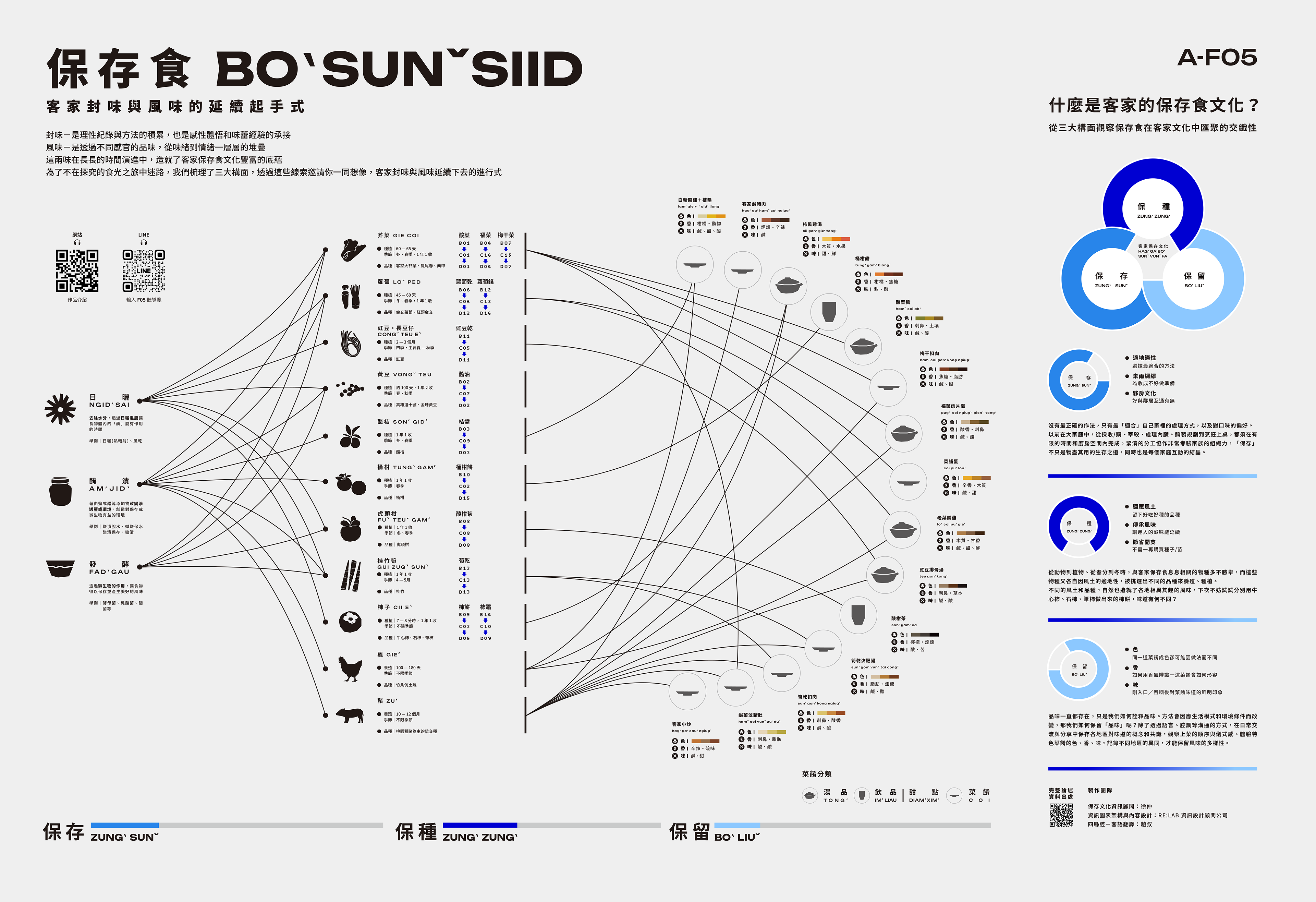
E| Varieties and Methods of Hakka Preserved Foods
Audio Guide Script
“Welcome to the culinary research project Preserved Food Exhibition — Hakka Food Storage.
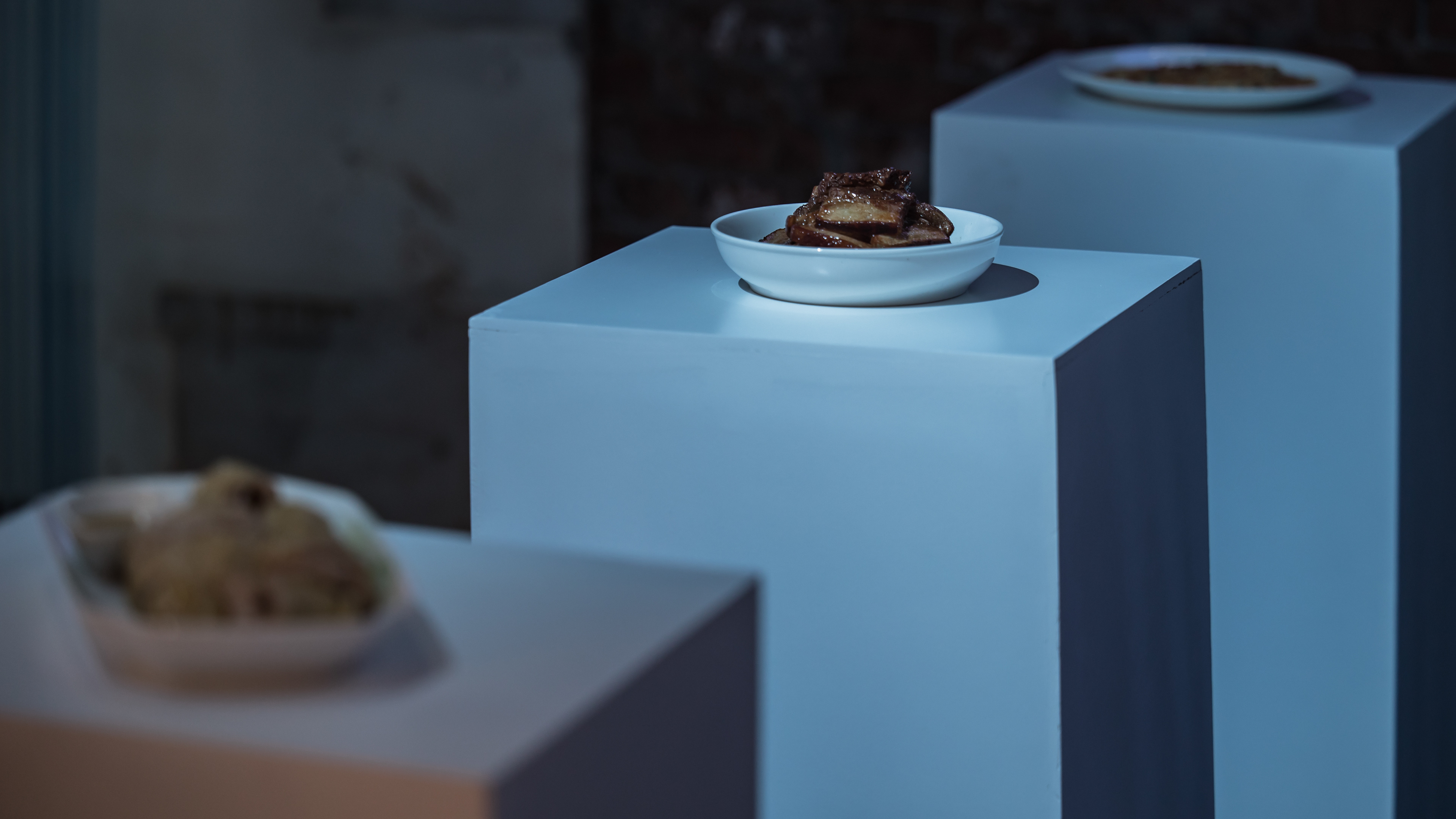
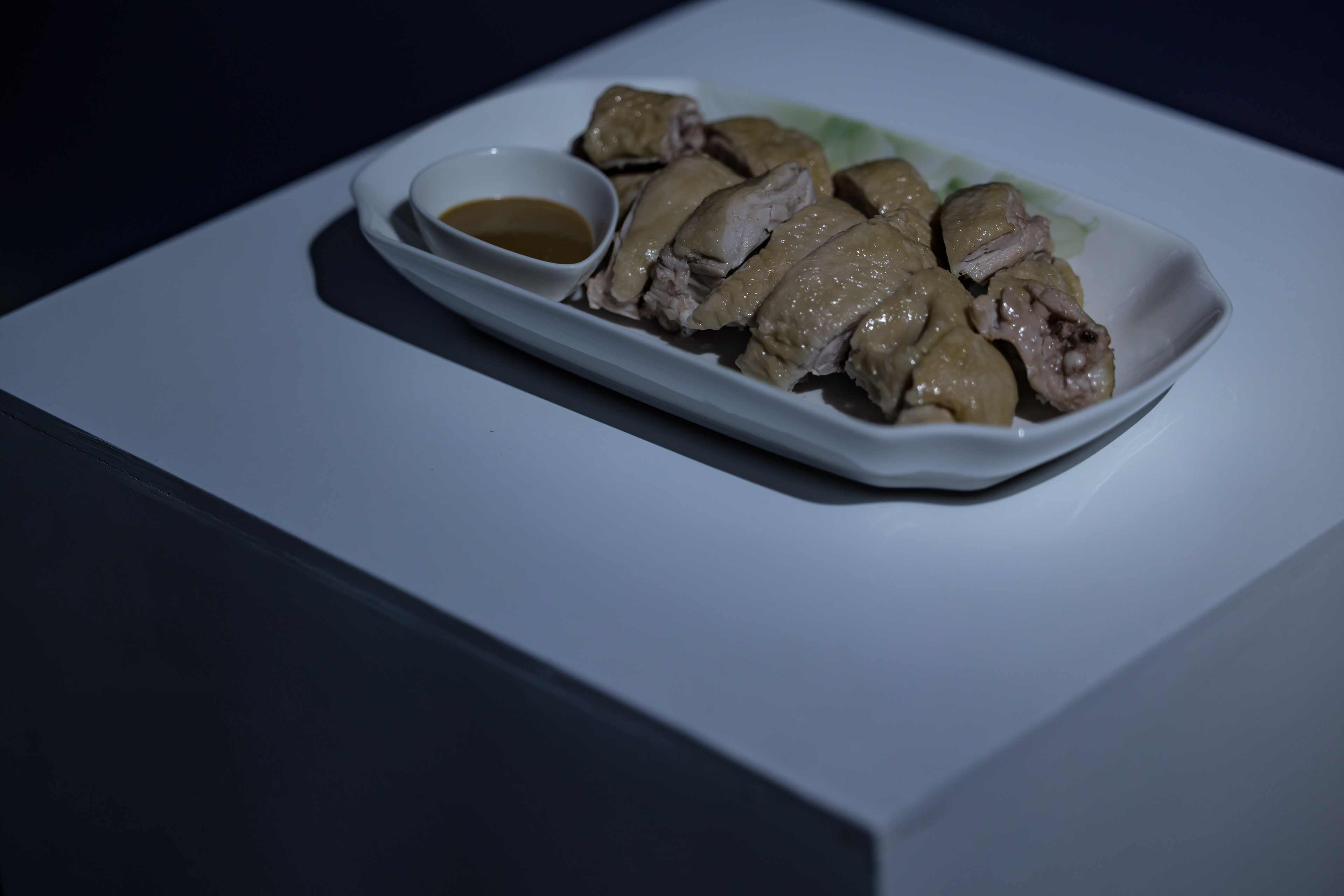
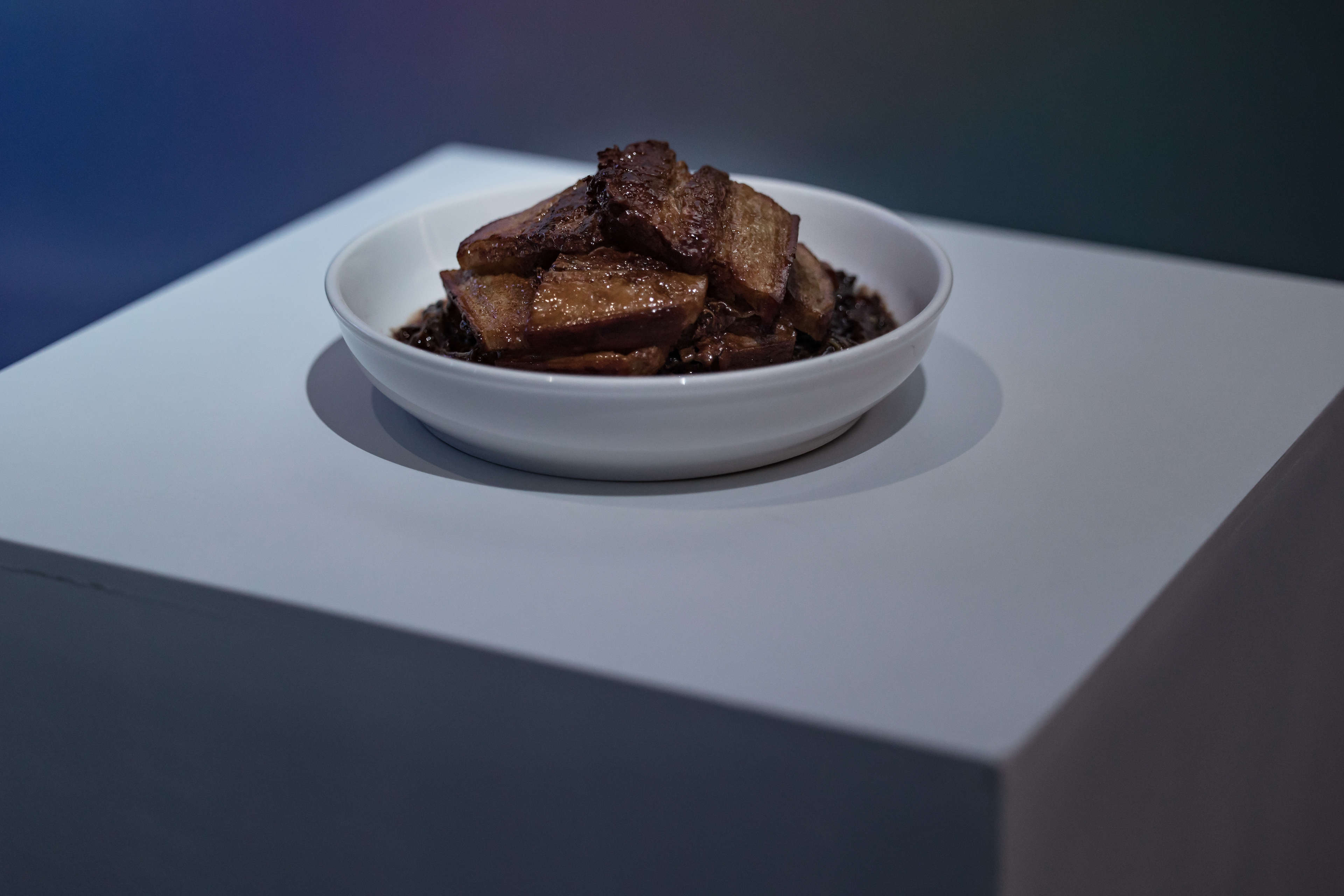
The three dishes in front of you are classic Hakka dishes often found in everyday dining: preserved radish omelette, white-cut chicken with kumquat sauce, and braised pork belly with preserved mustard greens.
The three dishes in front of you are classic Hakka dishes often found in everyday dining: preserved radish omelette, white-cut chicken with kumquat sauce, and braised pork belly with preserved mustard greens.
In the making of these dishes, what food culture has gradually faded with changing ways of life, yet deserves our closer attention today?
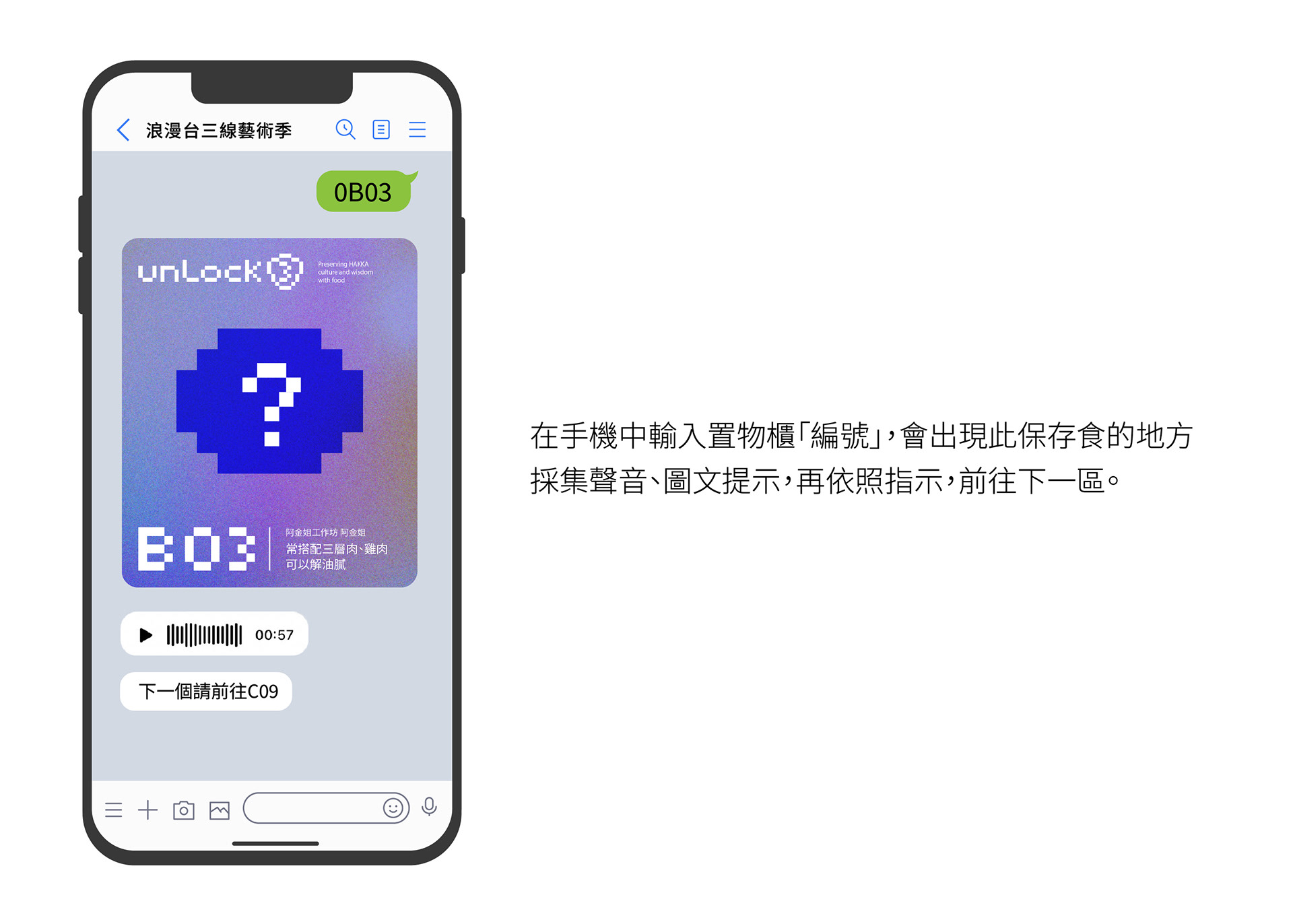
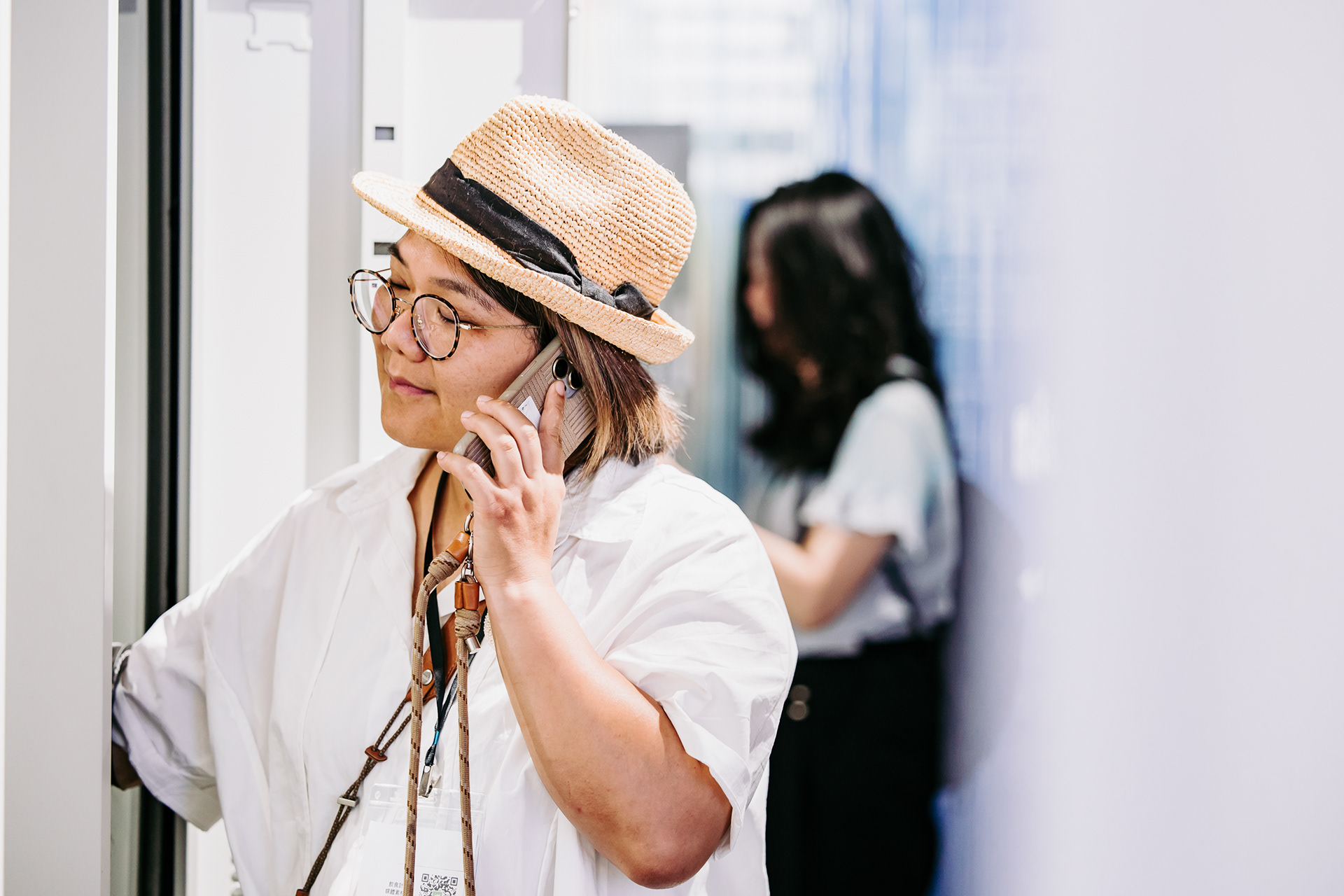
We now invite you to enter the exhibition area behind you and open the preserved food lockers. On your phone, first enter ‘0’ followed by the locker number. Open the locker, listen carefully to the audio clues, and follow the guidance to the next section. As you piece the clues together, what do you think they will reveal?
Let the clues guide you from a vague impression to a clearer understanding of preserved foods, and discover the Hakka wisdom preserved along Romantic Route 3.”




Credits
▧ Organizers
Hakka Affairs Council; Taoyuan City Government; Hsinchu County Government; Miaoli County Government; Taichung City Government
Hakka Affairs Council; Taoyuan City Government; Hsinchu County Government; Miaoli County Government; Taichung City Government
▧ Co-organizers
Taiwan Design Research Institute (TDRI); Dongshih Forest District Office, Forestry Bureau, Council of Agriculture, Executive Yuan
Taiwan Design Research Institute (TDRI); Dongshih Forest District Office, Forestry Bureau, Council of Agriculture, Executive Yuan
▧ Chief Curators
Hakka Public Communication Foundation; Left Brain Creative
Hakka Public Communication Foundation; Left Brain Creative
▧ Curatorial Team
ATELIER MIMOSA CO.; Grand Vision; OR
ATELIER MIMOSA CO.; Grand Vision; OR
▧ Curatorial Coordination
Chiao-Hsin Chang, Tien-Shun Chen, Shih-Yu Wang
Chiao-Hsin Chang, Tien-Shun Chen, Shih-Yu Wang
▧ Information Design
RE:LAB Information Design Consulting
RE:LAB Information Design Consulting
▧ Culinary Consultant
Andy Chou
Andy Chou
▧ Project Team
Project Planning & Design | Chiao-Hsin Chang
Field Research Execution | Chiao-Hsin Chang, Yu-Tzu Chiu
Project Planning & Design | Chiao-Hsin Chang
Field Research Execution | Chiao-Hsin Chang, Yu-Tzu Chiu
▧ Visual Design Direction
ATELIER MIMOSA CO.
ATELIER MIMOSA CO.
▧ Key Visual Design
NEU Huang
NEU Huang
▧ Key Visual Photography
Huang Chung-Yu
Huang Chung-Yu
▧ Spatial Sponsor
Grand Vision Co., Ltd.
▧ Spatial Photography
Mon Lee
Mon Lee
▧ Sound Editing
LEO Peng
LEO Peng
▧ Printing
Cheng Fu Integrated Marketing Co., Ltd.
Cheng Fu Integrated Marketing Co., Ltd.
▧ Local Partners|猛男農夫、阿金姐工作坊、乾庄稼人、味衛佳柿餅觀光農場、藝欣山莊、南埔社區發展協會、美東號醬油、農友 呂春生、阿煥伯食品企業社、邱美慈女士